 Tecnon Smart Display Technology Shenzhen Co., Ltd.
 Buying an led display screen board can feel overwhelming when you see a long list of technical terms. Pixel pitch, brightness, refresh rate—some buyers skip these details and end up with the wrong product. Understanding the key specs helps you choose a screen that fits your space, budget, and long-term needs. Let’s break down the most important factors in simple, practical language.
Why Technical Specs Matter When Choosing an LED Display Screen Board
Many people focus on visual effects or price, but the technical specs decide the actual performance of any led display screen board. These specs influence clarity, durability, power consumption, and maintenance cost. Once you know the basics, you avoid common mistakes and communicate better with manufacturers.
Pixel Pitch: The Starting Point for Image Clarity
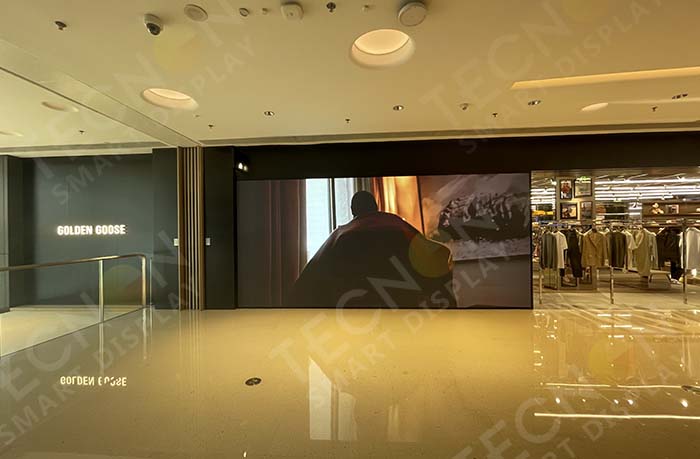
Pixel pitch is often the first technical term you will see. It describes the distance between two LED pixels. A smaller pitch means more pixels per area and sharper images.
If you install a screen for a retail store, a small pixel pitch like P2.5 or P3 works well because customers stand close to it. For outdoor billboards, a larger pitch like P6 or P8 is usually enough.
Some beginners only compare screen sizes but ignore pitch. A large LED board with poor pitch may look blurry in real use. So always balance size and pitch based on viewing distance.
Brightness Levels: A Key Factor for Outdoor Displays
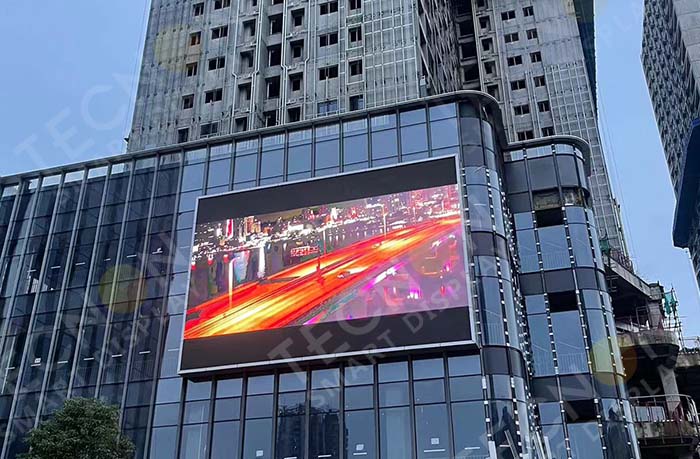
Brightness affects visibility. Indoor screens usually need around 600–1200 nits, while outdoor LED displays often require 4000 nits or more.
High brightness prevents your content from looking washed out in direct sunlight. But higher brightness also increases power consumption, so choose carefully.
If your led display screen board is used in mixed environments, ask the supplier about automatic brightness adjustment. This feature saves energy and improves viewing comfort.
Refresh Rate: The Hidden Element That Affects Eye Comfort
Refresh rate tells you how many times per second the screen updates. Higher refresh rates create smoother motion and reduce flicker.
For basic content, 1920Hz is enough. For events, camera capture, or professional advertising, 3840Hz or higher is ideal.
Some buyers ignore refresh rate and later notice flickering when recording videos. This issue is hard to fix after installation, so it is worth checking before you buy.
Color Accuracy and Gray Scale: Important for Branding and Retail
If you use the screen for fashion stores, luxury brands, or product showcases, color performance becomes a major point. Good gray scale ensures smooth transitions in dark areas. Strong color accuracy makes images look natural.
Modern LED screens usually support wide color gamuts, but quality varies between manufacturers. Ask for a demo video or a live test if possible.
Viewing Angle: Ensuring Content Is Visible from Every Direction
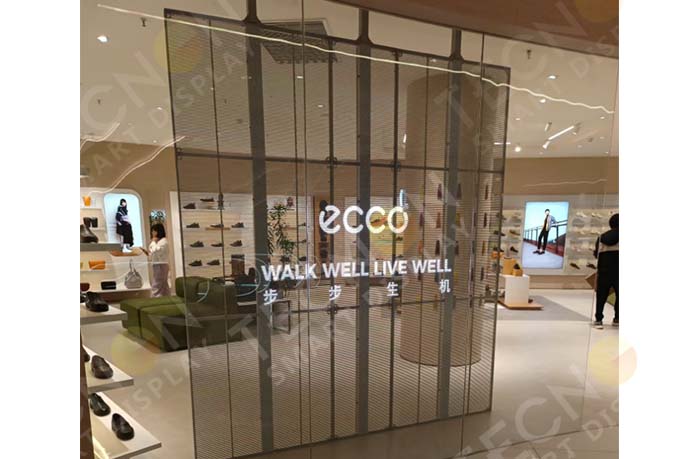
A good led display screen board maintains its brightness and color even when viewed from the side. Indoor screens often have wide viewing angles because customers walk around the space. Outdoor screens should also offer broad visibility to reach more viewers.
If your screen is placed high on a pole or building façade, consider vertical viewing angle as well.
Control System: The Core of Daily Operation
The control system decides how you upload content, manage brightness, switch playlists, and run real-time updates.
You can choose between synchronous and asynchronous systems:
- Synchronous is suitable for live broadcasts or real-time content.
- Asynchronous is better for scheduled advertising or information displays.
Smart cloud systems allow remote management. This is extremely helpful if you manage multiple screens across different cities.
Cabinet Design and Heat Dissipation
The cabinet affects durability. Outdoor screens need strong waterproofing and a reliable heat dissipation structure. Poor heat management shortens LED lifespan and increases failure rates.
Look for aluminum or die-cast cabinets if you want something lightweight and stable. Avoid designs that trap heat or require frequent maintenance.
Power Supply and Energy Efficiency
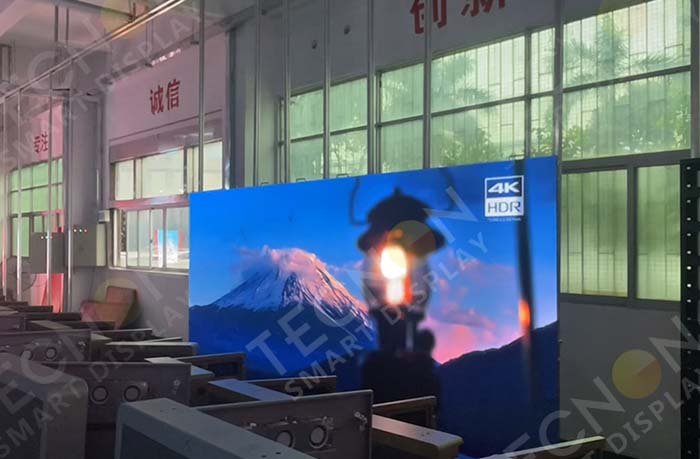
Stable power modules protect the screen from voltage fluctuations. High-quality power supplies also improve energy efficiency and extend the lifespan of the screen.
If your led display screen board runs 24/7, energy-saving components will reduce your long-term cost significantly.
Installation Structure and Maintenance Access
Consider how the screen will be installed—wall mount, pole mount, or free-standing. Front-service modules allow maintenance from the front side, which is convenient for indoor or tight-space installations. Rear-service designs work better for large outdoor boards.
A clear installation plan prevents unexpected labor costs later.
Final Thoughts
Understanding these common technical specs helps you choose the right led display screen board without wasting money. You don’t need to be an engineer. You only need to know what impacts performance and what features match your actual application. Once you cover pixel pitch, brightness, refresh rate, color performance, and cabinet quality, you can confidently compare different LED screens and make a smart purchase.