 Tecnon Smart Display Technology Shenzhen Co., Ltd.
 Choosing the right show LED screen is critical for delivering a memorable visual experience at events. Whether for concerts, corporate events, product launches, or live performances, the environment plays a major role in selecting the correct LED solution. Indoor and outdoor venues have very different requirements, and understanding these differences ensures stability, brightness, and audience impact.
This guide provides an in-depth comparison of indoor and outdoor show LED screens, focusing on technical specifications, installation considerations, and application scenarios for B2B buyers and event professionals.
For a complete comparison of purchasing options, cost structure, and supplier selection, you can refer to our performance LED screen procurement guide, which explains the full procurement process in detail.
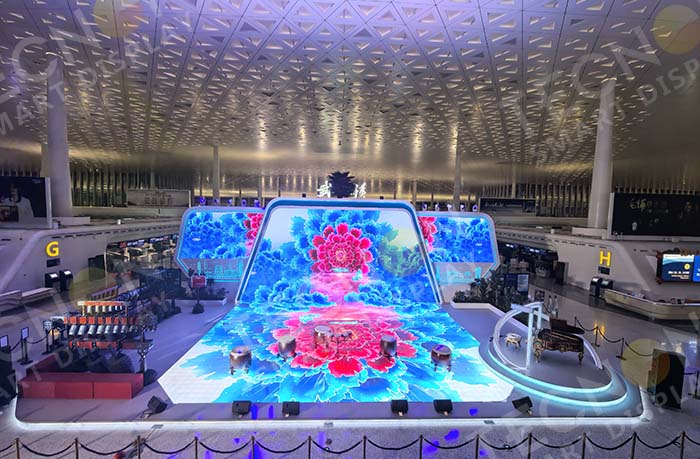
Key Differences Between Indoor and Outdoor Show LED Screens
1. Brightness Requirements
Brightness is the most visible difference between indoor and outdoor screens.
- Indoor show LED screens typically require 800–1500 nits. Controlled lighting environments allow lower brightness while maintaining clear visuals.
- Outdoor show LED screens need 4500–7000 nits or higher to compete with daylight and harsh lighting conditions. Higher brightness ensures content remains visible from all angles and distances.
Tip: Outdoor screens often need adjustable brightness to accommodate changing weather or stage lighting.
Technical parameters such as brightness, pixel pitch, and refresh rate play a decisive role in different environments, which we explain further in our performance LED screen technical specifications explained.
2. Pixel Pitch Selection
Pixel pitch determines image resolution and viewing comfort.
- Indoor screens usually have a smaller pixel pitch (P2.6, P2.9) for close audience viewing. Fine details like text and facial expressions are clearly displayed.
- Outdoor screens use larger pixel pitches (P3.9, P4.8, or higher), balancing image clarity with long-distance viewing and cost efficiency.
Choosing the right pixel pitch ensures the content is visually sharp without overspending on unnecessary resolution.
3. Cabinet Design and Weight
Cabinet design affects transport, installation, and structural safety.
- Indoor show LED screens are lighter, often made with aluminum or lightweight steel. Modular panels allow flexible shapes, including curved or circular displays.
- Outdoor show LED screens require robust cabinets to withstand wind, rain, and temperature fluctuations. Die-cast aluminum or reinforced structures improve durability.
For touring events, quick-lock systems and lightweight design are critical for indoor setups, while outdoor setups prioritize structural strength and weather resistance.
Depending on whether the project is temporary or long-term, the installation method also matters, and this difference is clearly outlined in our LED stage screen options for events.
LED stage screen options for events
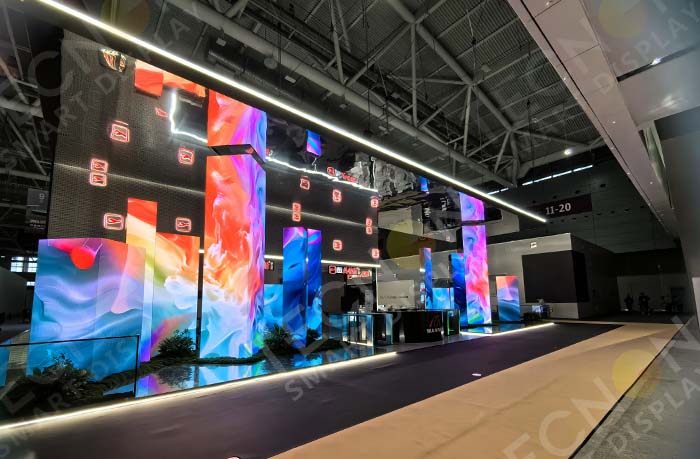
4. Waterproofing and Weather Protection
Outdoor screens face environmental challenges.
- Indoor screens do not require waterproofing, but dustproofing improves longevity.
- Outdoor screens must meet at least IP65 standards for protection against rain, dust, and humidity. Additional coatings can enhance resistance to corrosion and UV damage.
Ignoring environmental protection can lead to system failures or high maintenance costs.
5. Viewing Angle and Audience Coverage
Viewing angle affects how audiences experience content from different positions.
- Indoor screens often cater to a compact audience. Horizontal and vertical viewing angles of 140–160° are sufficient.
- Outdoor screens require wider angles, ensuring clear visuals for large crowds and venues. Wide-angle panels maintain brightness and color accuracy across long distances.
Correct viewing angle planning improves engagement and ensures every audience member sees the intended content.
6. Power and Heat Management
Performance depends on stable power supply and heat dissipation.
- Indoor screens typically generate less heat, so passive or moderate cooling systems suffice.
- Outdoor screens often operate at higher brightness and in direct sunlight, requiring advanced heat dissipation and active cooling systems to maintain consistent performance.
Proper thermal management increases screen lifespan and prevents unexpected shutdowns during live shows.
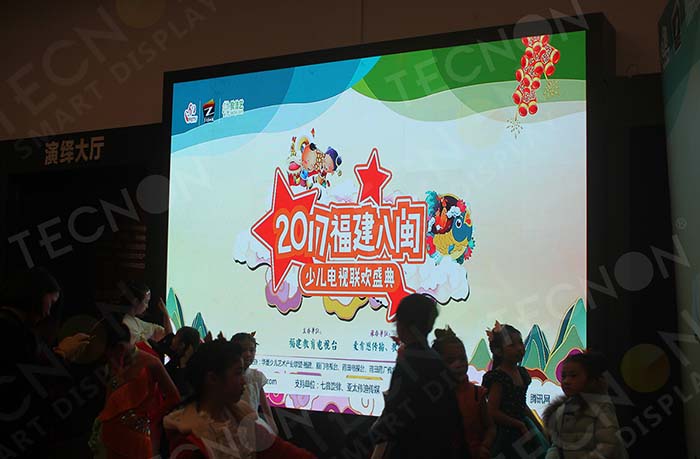
Typical Applications for Indoor and Outdoor Show LED Screens
Indoor Applications
- Concert halls and theaters
- Corporate conferences and exhibitions
- Award shows and product launches
- TV studios and live streaming events
Outdoor Applications
- Music festivals and concerts
- Stadiums and sports arenas
- Large-scale public events and parades
- Outdoor promotional events and brand activations
Understanding the application helps buyers choose a solution that meets environmental and performance needs without overspending.
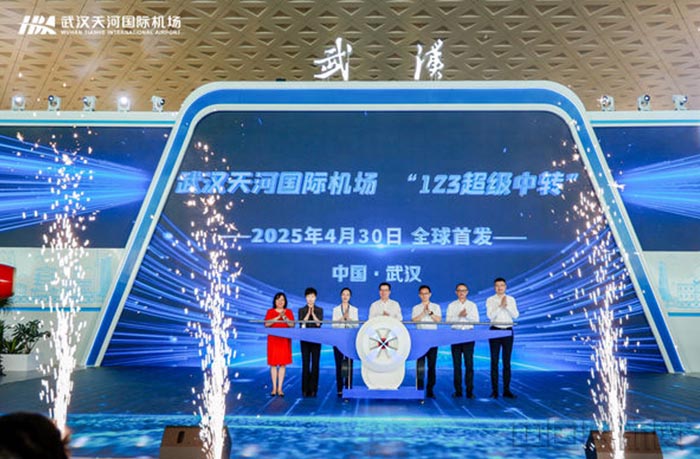
Common Mistakes to Avoid
- Using indoor screens for outdoor events—leads to poor visibility and weather damage.
- Overestimating pixel pitch—wastes cost without improving audience experience.
- Ignoring environmental protection standards—reduces screen longevity.
- Selecting improper brightness or viewing angles—reduces visual impact.
B2B buyers should carefully evaluate technical parameters based on the venue, audience size, and event type.
Conclusion: Choosing the Right Show LED Screen for Your Event
Selecting the right show LED screen involves more than choosing a size or price. Indoor and outdoor environments have different technical requirements, including brightness, pixel pitch, cabinet design, and weatherproofing.
Professional B2B buyers benefit from working closely with manufacturers or suppliers who can provide customized solutions, technical guidance, and after-sales support. Proper planning ensures a stable, high-quality display that enhances the event experience and delivers long-term value.
Tecnon provides custom show LED screen solutions for both indoor and outdoor events.