 Tecnon Smart Display - Professional LED Display Manufacturer Logo
 In professional stage projects, visual quality depends heavily on technical parameters. For B2B buyers such as event companies, rental providers, and system integrators, understanding these details is essential. A performance LED screen is not selected by appearance alone. Its refresh rate, brightness, viewing angle, and pixel pitch directly affect live performance results.
This article serves as a technical supporting guide to a broader LED screen buying strategy. It focuses only on core specifications that determine real performance on stage.
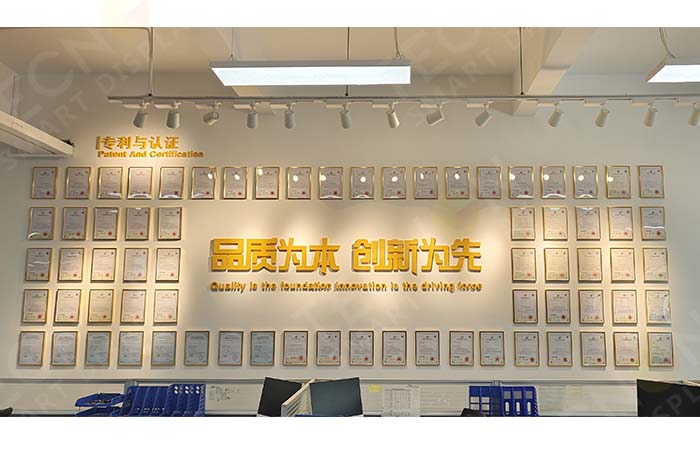
Why Technical Specifications Matter for a Performance LED Screen
A event LED screen operates in demanding environments. Strong stage lighting, live cameras, fast video content, and large audiences all place pressure on the display system.
Technical parameters define:
- Image stability during live shows
- Camera compatibility for broadcasting
- Visual consistency across large stages
- Reliability during long performances
For this reason, professional buyers should evaluate specifications before price.
While this article focuses on technical details, our event LED screen buying guide explains how these specifications fit into overall procurement decisions for professional events.
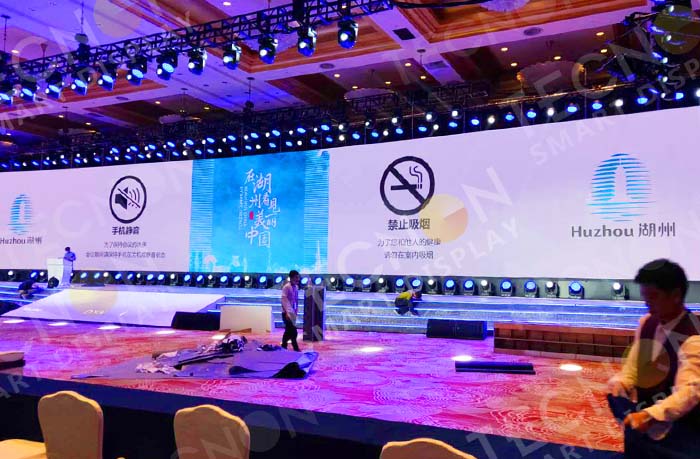
Refresh Rate: A Critical Parameter for Performance LED Screens
Refresh rate is one of the most important yet misunderstood specifications.
A performance LED screen with a low refresh rate may look acceptable to the naked eye. However, cameras reveal flickering, scan lines, and image tearing.
Recommended Refresh Rate Levels
- Minimum for professional events: 1920Hz
- Broadcast-ready standard: 3840Hz or higher
Why High Refresh Rate Matters
- Eliminates flicker during filming
- Improves live streaming quality
- Ensures smooth playback for fast motion content
For concerts, TV shows, and hybrid events, refresh rate directly impacts production quality.
Brightness: Balancing Visibility and Visual Comfort
Brightness determines how clearly content appears under strong lighting.
Typical brightness requirements:
- Indoor stages: 800–1500 nits
- Outdoor stages: 4500–6000 nits
A high-quality performance LED screen maintains stable brightness across all cabinets. This prevents dark areas and color inconsistency on large stages.
Too much brightness can cause glare. Too little brightness reduces impact. Professional calibration is essential.
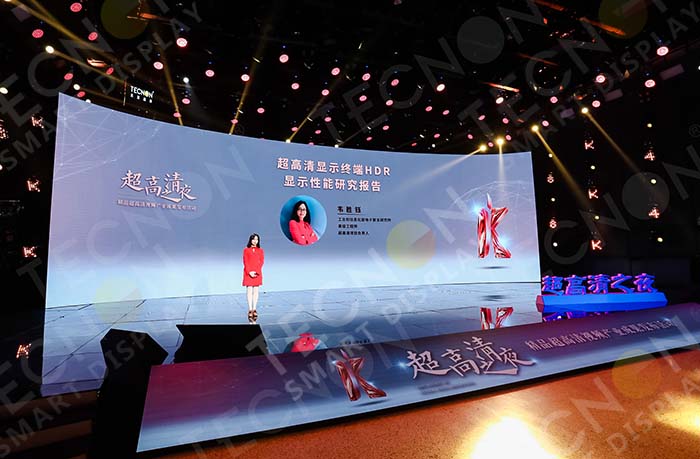
Viewing Angle and Audience Coverage
Viewing angle defines how well the image remains visible from different positions.
A wide viewing angle:
- Ensures consistent brightness
- Maintains color accuracy
- Improves experience for side audiences
Most modern performance LED screens support wide horizontal and vertical viewing angles. This is especially important for large venues and curved stage designs.
Pixel Pitch: Matching Resolution with Viewing Distance
Pixel pitch affects image detail and viewing comfort.
Common pixel pitch ranges:
- P2.6 / P2.9: close-view indoor stages
- P3.9: medium-distance performance stages
- P4.8: large outdoor stages
A smaller pitch delivers higher resolution, but also increases system cost and data load. The correct choice depends on stage size and audience distance, not just technical preference.
Color Processing and Grayscale Performance
Color accuracy defines how realistic and vivid the screen appears.
Key indicators include:
- High grayscale levels
- Smooth color transitions
- Consistent calibration across modules
A professional stage LED screen reproduces deep blacks and accurate skin tones. This is critical for live performers and camera shooting.
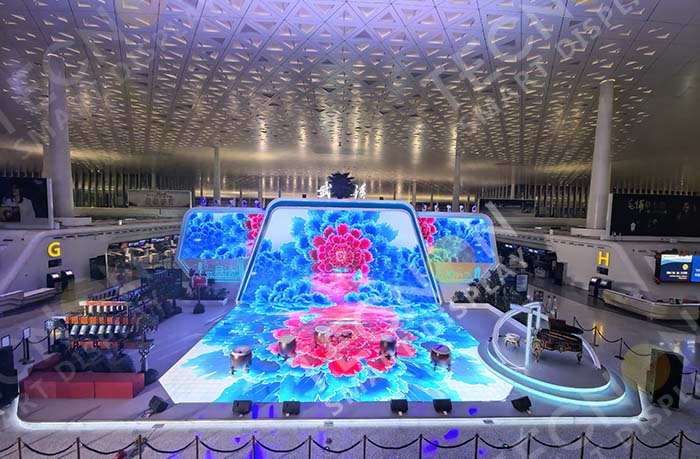
Cabinet Flatness and Seamless Splicing
Cabinet quality affects visual continuity.
High flatness ensures:
- No visible gaps between panels
- Smooth large-format visuals
- Better overall stage aesthetics
For performance applications, cabinet precision matters as much as LED quality.
Signal Processing and Control Stability
Stable signal processing ensures reliable performance.
A performance LED screen should support:
- Professional video processors
- Fast signal switching
- Multiple input formats
Control system stability reduces on-site risks during live events. This is especially important for shows with complex content schedules.
Heat Dissipation and Long-Term Stability
Thermal design affects reliability.
Effective heat management:
- Protects LED chips
- Maintains brightness stability
- Extends product lifespan
For outdoor and high-brightness performance LED screens, thermal structure plays a key role in long-term operation.
Indoor vs Outdoor Performance LED Screen Specifications
Although usage scenarios are covered elsewhere, technical differences remain important.
Indoor LED stage screen
- Lower brightness
- Finer pixel pitch
- Lighter structure
Outdoor LED stage screen
- Higher brightness
- Weather-resistant design
- Stronger heat dissipation
Technical selection must match the actual environment.
Technical Mistakes Common in Stage Projects
From real project experience, common issues include:
- Choosing pixel pitch without camera consideration
- Ignoring refresh rate for live streaming
- Underestimating brightness for outdoor stages
Avoiding these mistakes improves project reliability and client satisfaction.
Conclusion: Technical Precision Defines Performance LED Screen Quality
A professional performance LED screen is defined by its technical foundation. Refresh rate, brightness, pixel pitch, and viewing angle work together to deliver stable, high-impact visuals on stage.
For B2B buyers, deep understanding of these parameters improves communication with manufacturers and ensures better project outcomes. Technical precision is the key to successful stage performance displays.