 Tecnon Smart Display Technology Shenzhen Co., Ltd.
 A live performance LED screen plays a central role in concerts, theater shows, corporate events, and touring productions. While many options exist on the market, buyers often struggle to compare different solutions clearly. Specifications may look similar on paper, but real performance can vary widely depending on use case.
This article focuses on practical comparisons that matter in real live performance scenarios. It helps event organizers, production companies, and system integrators understand how different LED screen options perform on stage. Many event teams first clarify overall selection logic and application needs in this stage LED screen buying overview before comparing different live performance solutions.
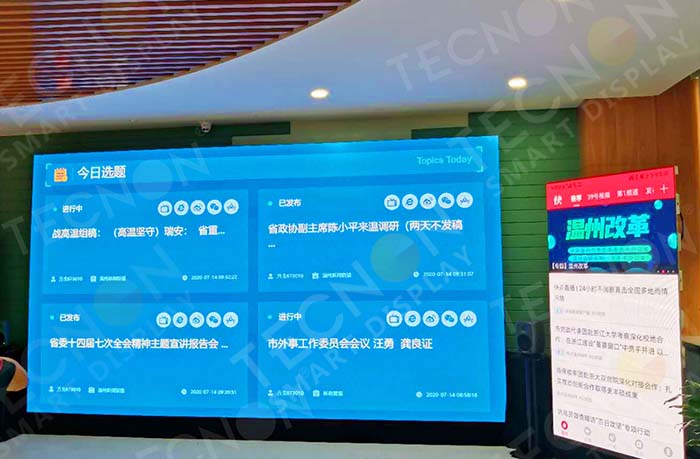
Live Performance LED Screen vs Traditional Projection
A event LED screen delivers higher brightness and more stable visuals than traditional projection systems in most stage environments.
A live show LED screen offers:
- Higher brightness for well-lit venues
- No shadow issues from performers
- Stable image quality across wide viewing angles
Projection systems may still work for small indoor stages, but they struggle in environments with strong ambient light. For large-scale or professional events, LED screens provide more consistent visual results.
Indoor vs Outdoor Live Show LED Screen
Environment is one of the first comparison points.
Indoor live performance LED screens usually focus on:
- Smaller pixel pitch
- Lower brightness requirements
- Lightweight cabinet structures
Outdoor models, on the other hand, require:
- Higher brightness
- Weather protection
- Stronger structural design
Choosing between indoor and outdoor screens depends entirely on event location, not just budget.
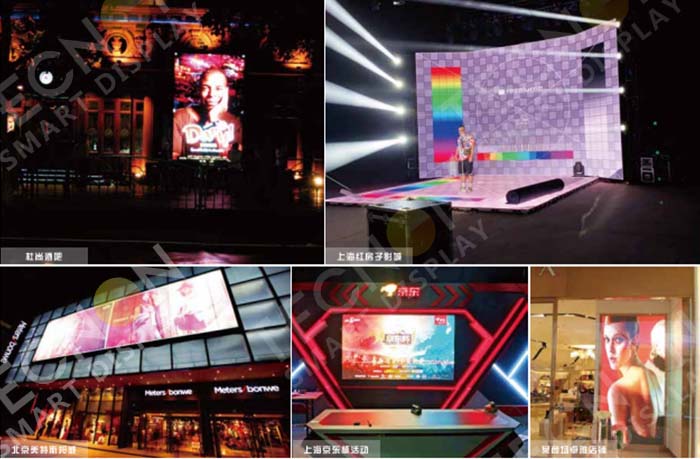
Rental LED Screen vs Fixed Installation for Live Performance
Another key comparison is rental use versus fixed installation.
Rental live performance LED screens are designed for:
- Fast assembly and disassembly
- Lightweight cabinets
- Frequent transport
Fixed installation screens prioritize:
- Long-term stability
- Permanent mounting systems
- Lower maintenance frequency
For touring shows or temporary events, rental-style screens offer better flexibility. Permanent venues benefit more from fixed solutions. These comparisons become especially important when choosing between rental stage LED screens and long-term installations for live shows.
Pixel Pitch Comparison for Event LED Screen
Pixel pitch affects image clarity and viewing comfort, making it a key comparison factor for live performance LED screens.
Smaller pixel pitch:
- Delivers clearer images at close viewing distances
- Works well for front-row audiences and cameras
- Costs more per square meter
Larger pixel pitch:
- Fits long viewing distances
- Reduces overall screen cost
- Works well for large outdoor stages
The best show LED screen is not the one with the smallest pitch, but the one matched to audience distance.
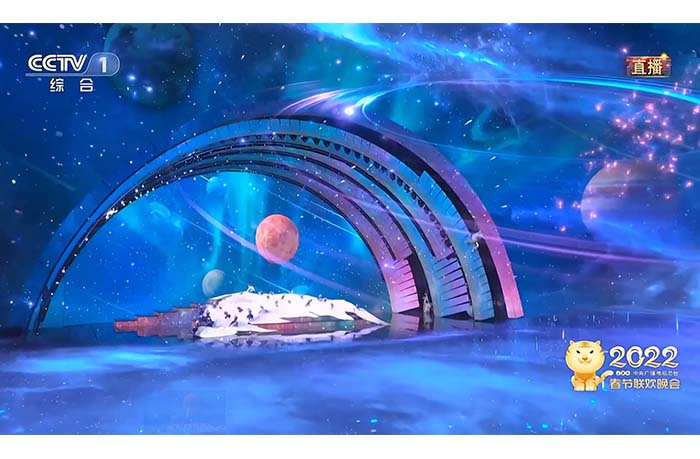
Brightness Comparison in Stage Applications
Brightness requirements for live performance LED screens change depending on lighting conditions and venue type.
Indoor stages usually require:
- Moderate brightness
- Balanced contrast
- Comfortable viewing for long shows
Outdoor performances demand:
- Much higher brightness
- Strong contrast under sunlight
- Adjustable brightness control
A stage LED screen should offer flexible brightness settings rather than a fixed high output.
Refresh Rate and Image Stability Comparison
Refresh rate directly impacts camera performance and motion clarity during live shows.
Higher refresh rates:
- Reduce flicker on camera
- Improve fast-motion content
- Support live broadcasting
Lower refresh rates:
- May look acceptable to the human eye
- Often cause issues during filming
For concerts, live streams, and televised events, high refresh rate screens provide a clear advantage. Differences in refresh rate and image stability are explained further in this article on performance LED screen specifications.
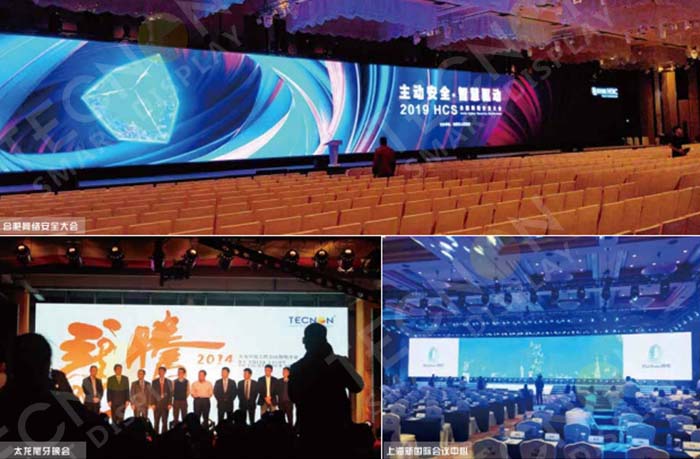
Cabinet Design and Structure Comparison
Cabinet design influences installation speed, safety, and transport efficiency for live performance LED screens.
Slim and lightweight cabinets:
- Reduce labor cost
- Improve setup efficiency
- Support hanging and stacking
Heavier cabinets:
- Offer strong stability
- Suit permanent installations
- Increase transport and labor demands
Live performance environments usually benefit from modular, lightweight cabinet systems. Cabinet structure and weight also influence how stage LED displays are installed and handled on site.
Flat vs Curved Live Performance LED Screen
Stage designers increasingly compare flat screens with curved designs.
Flat LED screens:
- Simple to install
- Easy to maintain
- Suitable for standard stage layouts
Curved LED screens:
- Create immersive visuals
- Enhance stage depth
- Require precise structure planning
The choice depends on creative goals rather than technical superiority.
Control System and Content Handling Comparison
Control systems affect how easily a screen integrates into a live show.
Advanced systems support:
- Synchronization with lighting and audio
- Remote monitoring
- Backup signal paths
Basic systems:
- Handle simple playback
- Work for small events
- Offer limited redundancy
For complex live performances, advanced control systems reduce risk and improve reliability.
Cost Comparison Across Different Live Performance LED Screens
Cost varies based on:
- Pixel pitch
- Screen size
- Cabinet material
- Control system complexity
Lower-priced screens may look attractive initially but often increase costs later through higher maintenance or limited scalability.
A performance LED screen should be evaluated based on total project value, not just unit price.
Reliability and Maintenance Comparison
Reliability matters greatly during live shows.
High-quality LED screens offer:
- Stable power systems
- Better heat management
- Easier module replacement
Lower-quality options may:
- Increase downtime risk
- Require frequent servicing
- Affect event reputation
Professional live performance environments demand stable and proven screen systems.
Conclusion: Choosing the Right Live Performance LED Screen
Comparing live performance LED screens requires more than reading specification sheets. Real value comes from matching screen features to event type, environment, and creative goals.
By comparing brightness, pixel pitch, refresh rate, structure, and system design, buyers can choose solutions that deliver reliable performance and long-term value. The right LED screen enhances both audience experience and production efficiency.