 Tecnon Smart Display - Professional LED Display Manufacturer Logo
 When people look at a finished LED screens board, they often focus on brightness, resolution, or size. Few think about what happens before the screen lights up. In reality, every LED display starts with a long and complex supply chain. This chain links materials, technology, people, and processes. Understanding it helps buyers make better decisions and set realistic expectations.
The LED Screens Board Supply Chain Starts Far Earlier Than Assembly
An LED screens board does not begin on an assembly line. It starts with upstream components. These include LED chips, driver ICs, PCBs, power supplies, and control systems. Each part often comes from a different supplier, sometimes from different countries.
LED chips alone involve epitaxial wafer growth, chip cutting, binning, and testing. Small differences at this stage affect brightness consistency and color accuracy later. If chip selection lacks strict standards, even the best calibration cannot fully fix it.
This is why experienced manufacturers spend a lot of time qualifying suppliers. They test samples repeatedly before mass production begins.

Module Manufacturing Is Where Quality Gaps Appear
The next key stage is LED module production. This step defines how stable the final LED screens board will be. During module manufacturing, LEDs mount onto PCBs using SMD processes. Precision matters here.
Poor soldering can cause dead pixels over time. Uneven mounting can lead to brightness inconsistency. Manufacturers with mature production lines use automated placement, reflow ovens, and inline inspection. They also run aging tests before modules move forward.
This stage often separates reliable LED display panels from low-cost alternatives.
Cabinet Design Is More Than Just Structure
Many people underestimate cabinet design. For an LED screen, the cabinet affects heat dissipation, flatness, maintenance, and lifespan. A well-designed cabinet supports stable modules and protects internal components.
Material choice matters. Aluminum cabinets reduce weight and help manage heat. Steel cabinets improve strength but need better thermal planning. The cabinet also defines how easily technicians can access modules, power units, or receiving cards.
In the supply chain, cabinet production often runs parallel with module production to save time.
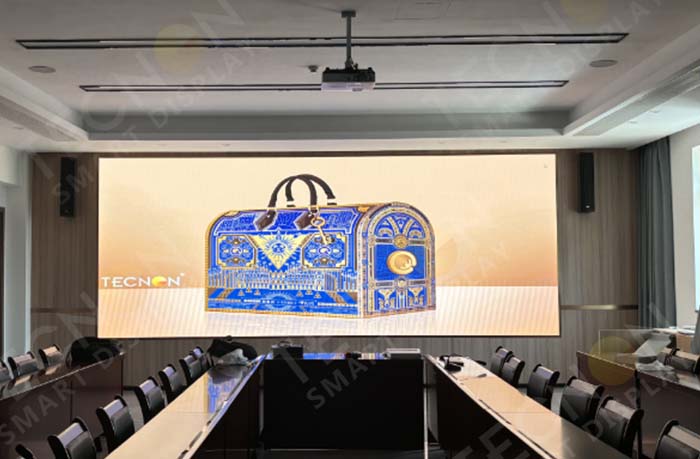
Control Systems Tie Hardware and Software Together
A modern LED screens board relies heavily on its control system. This includes sending cards, receiving cards, software platforms, and sometimes cloud-based management tools.
Control systems determine refresh rate, grayscale performance, and synchronization accuracy. In large LED installations, stable signal transmission is critical. Any weak link here leads to flicker, delay, or black screens.
This is why experienced manufacturers test compatibility between hardware and software long before shipment.
Logistics and Packaging Are Hidden Risk Points
Once the LED screens board passes factory testing, logistics become the next challenge. Improper packaging can damage modules or cabinets during transport. Moisture protection is especially important for overseas shipping.
Reliable suppliers design custom flight cases or reinforced wooden crates. They also label components clearly to reduce installation errors on site.
Many quality issues blamed on manufacturing actually happen during shipping or handling.
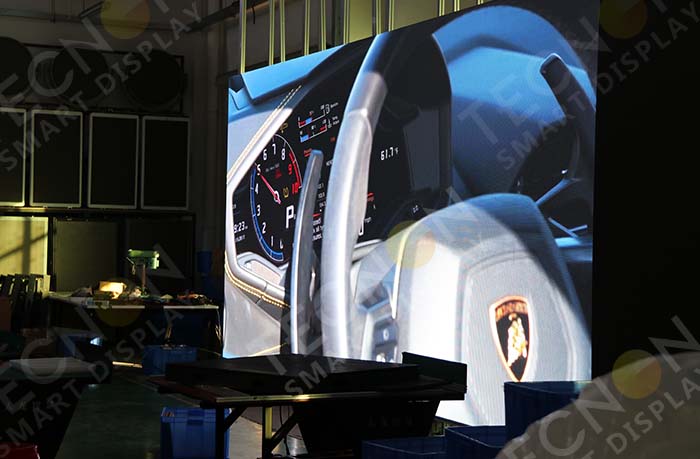
Installation Is Part of the Supply Chain, Not the End
Installation is not just a final step. It is part of the full supply chain. Poor installation can undo months of careful production.
For an LED screens board, flatness adjustment, power distribution, and signal routing all matter. Skilled installers follow strict procedures and test the system in stages. They also adjust brightness and color based on the real environment.
This step turns hardware into a working visual system.
After-Sales Support Completes the Chain
The supply chain does not stop when the screen turns on. Long-term performance depends on spare parts, technical support, and software updates. A reliable LED screen supplier plans for this from the beginning.
They retain spare modules from the same production batch, record all configuration details, and provide remote diagnostics whenever possible. These details protect the customer’s investment over years of operation.
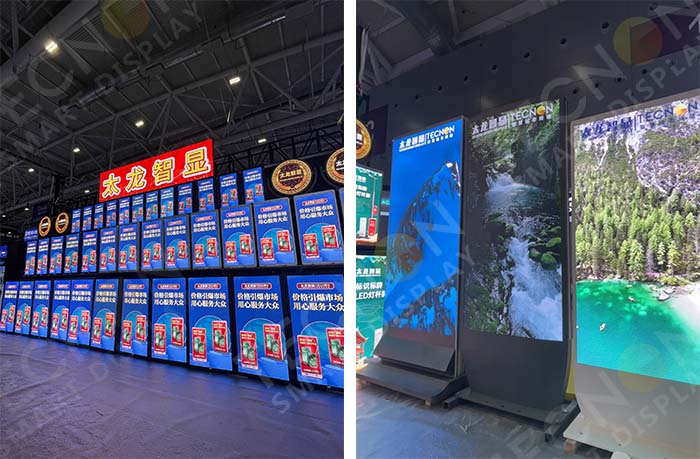
Why Understanding the Supply Chain Matters
When buyers understand how an LED screens board is built, they stop comparing products by price alone. They start asking better questions. Where do the chips come from? How are modules tested? What happens if a part fails later?
The answers reveal real value.