 Tecnon Smart Display - Professional LED Display Manufacturer Logo
 Smart cities no longer rely only on sensors hidden in roads or cameras mounted on poles. Today, LED Screens and IoT work together to become visible, interactive, and intelligent city interfaces. These connected displays do more than show content. They collect data, respond to real-time conditions, and help cities make faster and better decisions.
This article explores how LED screen combined with IoT technology support data-driven cities, improve public services, and reshape urban communication.

Why LED Screens and IoT Matter in Smart City Development
Cities generate massive amounts of data every day. Traffic flow, weather, energy use, and public movement all change by the minute. Traditional static signage cannot keep up.
By integrating LED screen with IoT platforms, cities turn displays into live information nodes. These screens connect to sensors, cloud systems, and control centers. As a result, information moves both ways. The city talks to people, and people generate data for the city.
This shift makes urban systems more transparent and responsive.
How LED Screens and IoT Work Together
Real-Time Data Input and Output
IoT sensors collect data from roads, buildings, and public spaces. That data flows to a central platform. LED screens then display the results in real time.
For example, traffic sensors detect congestion. Nearby LED displays update routes instantly. Air quality monitors sense pollution spikes. Public screens show health alerts or safety tips.
This loop turns raw data into clear, public-facing information.
Remote Control and Smart Scheduling
With IoT connectivity, operators manage LED panel remotely. They adjust brightness, content, and schedules based on time, weather, or crowd density.
A screen near a school may display traffic warnings during peak hours. The same screen can switch to community messages at night. This level of automation reduces manual work and improves efficiency.
Key Urban Scenarios Enabled by LED Screens and IoT
Smart Traffic and Transportation
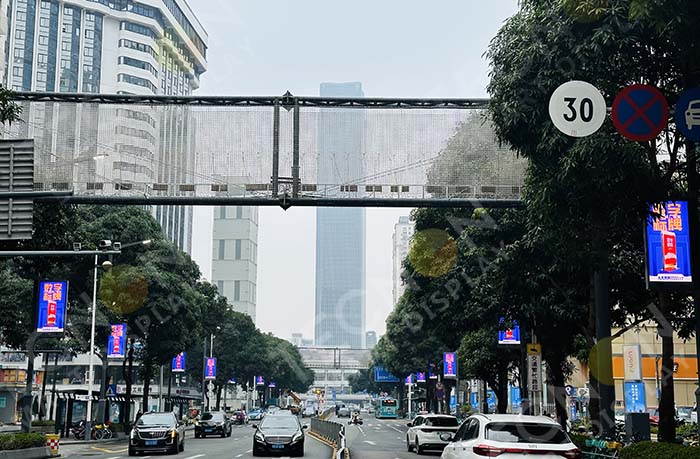
Traffic systems benefit strongly from LED board and IoT integration. Connected displays guide drivers, cyclists, and pedestrians in real time.
Common applications include:
- Dynamic lane guidance
- Parking availability updates
- Public transit arrival times
- Emergency rerouting information
These screens reduce congestion and improve travel safety without relying on mobile apps alone.
Public Safety and Emergency Response
During emergencies, speed matters. IoT-connected LED screens deliver alerts faster than traditional media.
Cities use them for:
- Weather warnings
- Evacuation guidance
- Disaster response updates
- Crowd control instructions
Because these screens connect to city command centers, messages stay consistent and accurate across locations.
Energy and Environmental Management
LED screens also support sustainability goals. IoT systems monitor power usage, ambient light, and temperature. Displays adjust brightness automatically to save energy.
In environmental monitoring, screens visualize data from noise sensors or air quality stations. This visibility increases public awareness and encourages behavior change.
Data-Driven Decision Making Through Visual Feedback
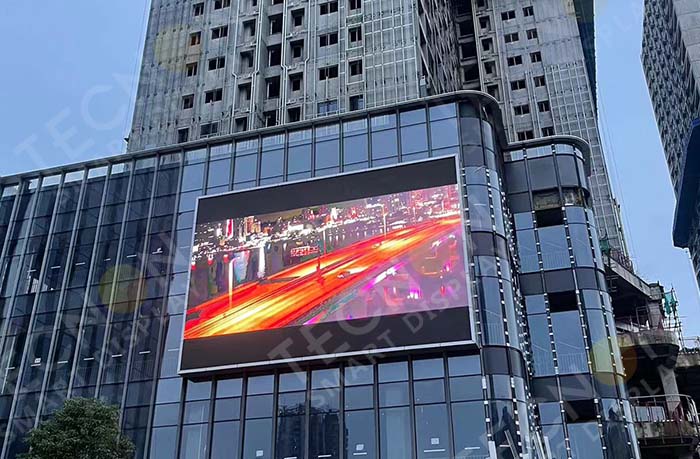
Data only matters when people understand it. LED screens translate complex data into simple visuals.
City managers use connected displays to:
- Track foot traffic trends
- Measure campaign effectiveness
- Analyze peak usage periods
- Adjust urban services dynamically
For example, a smart plaza may show interactive content. Sensors track engagement time. The city then refines layout, lighting, or services based on real behavior, not assumptions.
Commercial and Public Value Combined
LED Screens and IoT do not serve governments alone. Brands and service providers also benefit.
In commercial districts, connected displays:
- Adjust ads based on audience flow
- Sync promotions with local events
- Collect anonymized engagement data
This model creates shared value. Cities gain infrastructure investment. Businesses gain smarter exposure. Citizens receive more relevant information.
Security and Privacy Considerations
Smart displays must remain secure. IoT-connected LED screens require encrypted communication and strict access control.
Responsible deployments focus on:
- Data anonymization
- Secure cloud platforms
- Clear governance policies
- Compliance with local regulations
When designed well, these systems enhance trust instead of raising concern.
The Future of LED Screens and IoT in Cities
As 5G and AI mature, connected displays will grow more intelligent. Screens will predict needs instead of reacting to them.
Future developments may include:
- AI-driven content optimization
- Deeper integration with digital twins
- Personalized public messaging
- Fully automated city-wide display networks
In this future, LED screens act as both sensors and storytellers for the city.
Conclusion: From Display to Urban Intelligence
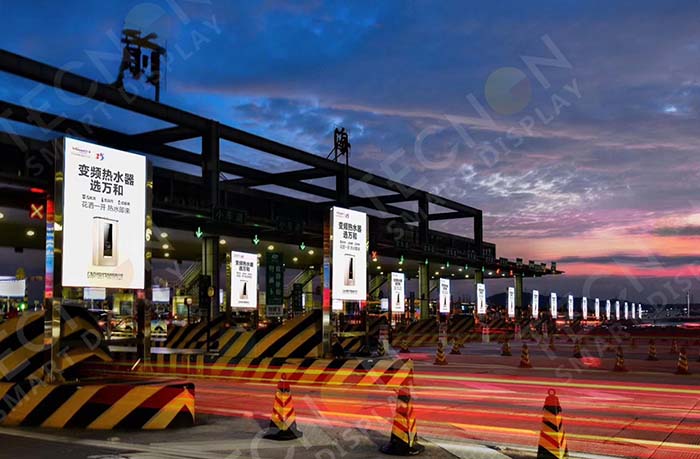
LED Screens and IoT turn city displays into smart infrastructure. They connect data, people, and decisions in real time. These systems improve mobility, safety, sustainability, and communication.
For cities aiming to become truly data-driven, connected LED displays are no longer optional. They are essential tools for modern urban management.
If you are exploring smart city display solutions or planning an IoT-enabled LED project, now is the time to act. Contact us to discuss how connected LED screens can support your city’s digital transformation.