 Tecnon Smart Display - Professional LED Display Manufacturer Logo
 The rapid growth of LED displays panel technology in Asia has created a clear gap in the global market. While Europe and North America continue to adopt LED solutions, Asia—especially China, South Korea, and Japan—moves at a different speed. Their progress is faster, more aggressive, and sometimes years ahead in innovation.
This article explores the real reasons behind this market divide, from supply chains to culture, urbanization trends, and investment patterns.
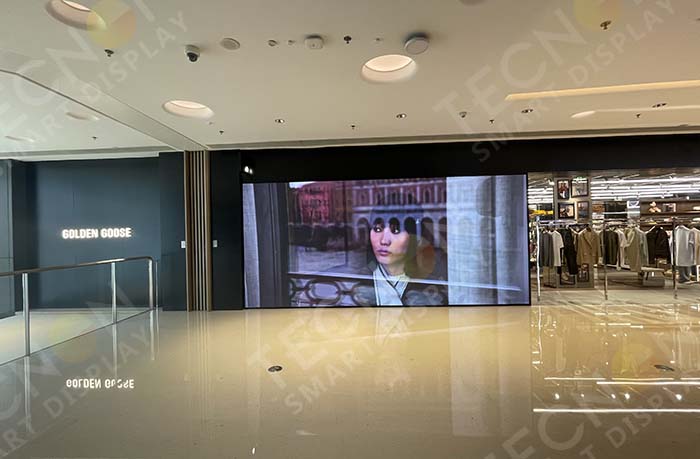
1. Asia’s LED Displays Panel Innovation Starts From the Supply Chain
The first reason behind Asia’s lead is its strong supply chain. China, South Korea, and Taiwan host most of the world’s LED chip, module, and PCB factories. This ecosystem makes production faster and cheaper.
Manufacturers can prototype a new panel design within days and start mass production within weeks. This speed contributes directly to faster innovation cycles in products such as narrow-pixel LED screens, flexible LED modules, and high-brightness outdoor signage.
Countries outside Asia often rely on imported components, which slows development and increases costs. This supply gap alone creates a multi-year innovation difference.
2. Higher Adoption Driven by Urban Density and Digital Transformation
Asian cities adopt LED solutions more aggressively because they grow vertically and densely. Large urban zones like Shanghai, Shenzhen, Tokyo, and Seoul need efficient and flexible display systems to manage advertising, traffic, and public information.
This demand pushes companies to launch new digital signage displays, transparent LED windows, curved displays, and large outdoor video walls faster than Western markets.
Asian retailers also update storefronts frequently. Fashion brands, shopping malls, and transit hubs use immersive LED installations as standard marketing tools. As a result, LED technologies evolve based on real commercial needs, not future forecasts.
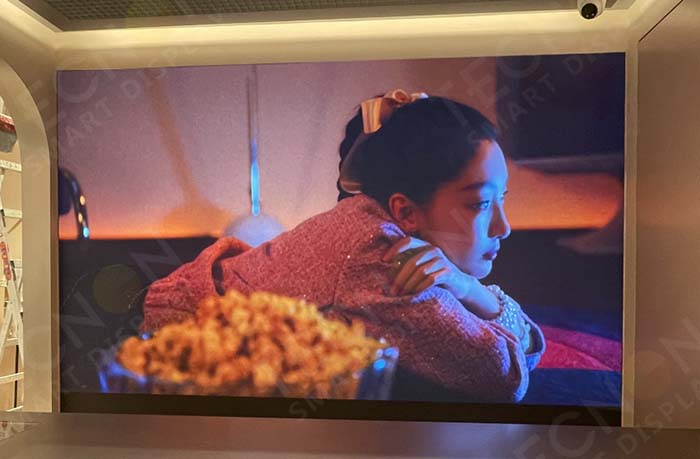
3. Government Policies Encourage Faster Innovation
Asian governments often support smart-city projects, digital public infrastructure, and energy-efficient technologies. When LED displays appear in public transport, airports, or cultural venues, they become part of national strategies.
For example:
- China invests heavily in smart-street-light poles, many equipped with modular LED panels, cameras, and sensors.
- South Korea integrates LED information screens into transportation systems and stadiums.
- Japan encourages high-efficiency micro-LED research for future digital media platforms.
These policies create stable demand and reduce the risk for manufacturers who want to invest in new types of outdoor LED display panels or micro-pitch solutions.
4. Asia’s Consumer Market Embraces New Visual Experiences Faster
People in Asia accept new digital interfaces more openly. Large LED installations appear in restaurants, entertainment centers, metro stations, museums, and retail stores. Because the audience wants sharper visual content and immersive experiences, brands push for higher-resolution and more creative LED formats.
This contributes to rapid adoption of:
- 3D outdoor LED screens
- Flexible LED mesh displays
- Creative-shape LED boards
- Ultra-thin indoor panel systems
The market pulls innovation forward, rather than waiting for it.
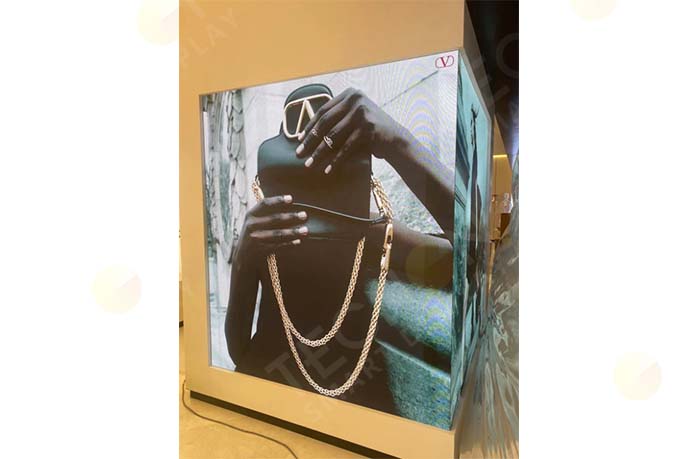
5. Production Cost Advantages Accelerate LED Displays Panel Evolution
Asian manufacturers move faster because they don’t face the same production cost pressures found in Western countries. Lower labor costs, scaled component sourcing, and strong domestic competition all drive continuous improvement.
Factories upgrade from SMD to COB and micro-LED architectures quickly. Many companies test new driver ICs, energy-saving power supplies, and heat-controlled aluminum cabinets in monthly cycles.
Outside Asia, companies need more time and higher budgets to complete similar development cycles. This is why new-generation indoor displays, fine-pitch products, and energy-saving LED panels appear in Asia first.
6. Faster Market Feedback Supports Continuous Improvement
Asia’s LED industry benefits from instant feedback. When thousands of units enter the market daily—from commercial billboards to indoor LED panels—manufacturers receive real performance data in real time.
If a product needs improvement, factories adjust immediately. This tight feedback loop strengthens product reliability and reduces failure rates in new product lines.
Western manufacturers usually have slower feedback cycles because of smaller deployment volumes and longer project approval processes.
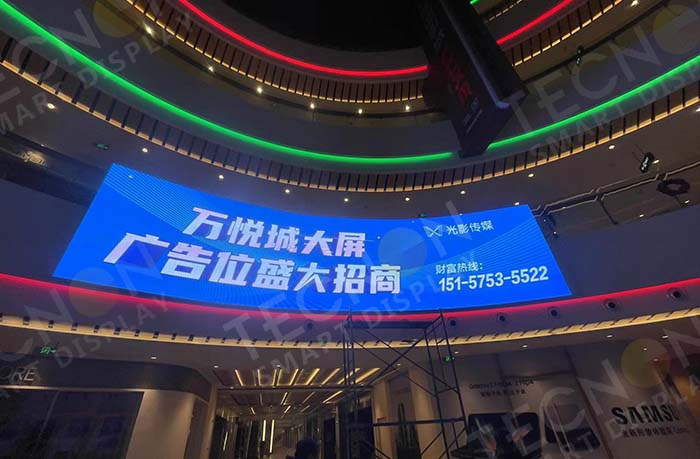
7. Asia Invests More Aggressively in Micro-LED and COB Technology
Micro-LED, COB, and flip-chip LED architectures represent the future of digital display systems. Asian companies invest billions of dollars in these technologies because they want to lead the next generation of display manufacturing.
As a result, Asia already ships fine-pitch panels used for control rooms, airports, studios, and commercial spaces worldwide. These advanced systems deliver superior color accuracy, brightness, contrast, and lifespan.
Other regions are still in the trial phase or rely heavily on Asian suppliers for the core technology.
Conclusion: The Global Gap Will Persist—Unless Other Regions Increase Investment
Asia leads the LED industry because of its production ecosystems, cultural adoption speed, policy support, and strong competition. These factors help LED displays panel technology develop rapidly and reach the market faster.
Other regions can close the gap only through long-term investment in manufacturing, research, and urban digital transformation. Until then, Asia will continue to set the pace for global LED innovation.