 Tecnon Smart Display Technology Shenzhen Co., Ltd.
 The LED Display Industry is entering a new stage as 5G and IoT technology mature. These two technologies are transforming how LED screens connect, communicate, and deliver content. Instead of working as simple visual devices, modern LED displays now operate like intelligent terminals that respond to data, users, and environments in real time. This shift is reshaping applications in retail, transportation, advertising, and smart cities.
Why 5G Matters to the LED Display Industry
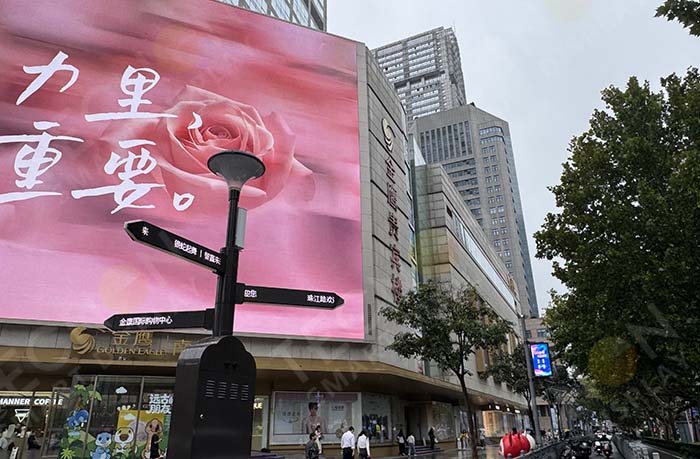
5G provides higher bandwidth, faster transmission speed, and ultra-low latency. These improvements solve long-standing issues such as slow loading, unstable networks, and delayed monitoring.
With 5G, LED screens can update content instantly, stream high-definition video more smoothly, and handle real-time interactive features. This is especially important for outdoor billboards, live events, sports venues, and digital signage networks that need fast updates.
5G also supports massive device access. A city can connect hundreds of LED screens without overloading the network. This makes large-scale deployment easier and creates a solid foundation for smart display systems.
IoT Turns LED Displays Into Intelligent Devices
IoT technology allows LED screens to connect with sensors, cameras, cloud platforms, and management systems. This transforms a simple screen into a smart device capable of collecting and responding to data.
IoT-enabled LED displays can:
- adjust brightness based on ambient light
- change content depending on weather or traffic
- receive sensor data for environmental monitoring
- report real-time device status and faults
- sync ads with customer flow
These features reduce manual work and allow content to respond to real-world conditions. As a result, brands and city managers can operate more efficiently and deliver targeted information.

Real-Time Content Delivery and Management
With 5G and IoT, operators can manage thousands of screens from one platform. They can push new content, monitor screen health, or track playback logs anytime. This remote control reduces labor and eliminates the risk of outdated content.
For example, a retail chain can roll out promotions across all stores instantly. A transportation hub can update arrival information in seconds. A smart city can broadcast emergency messages to all roadside LED screens at the same time.
This level of coordination was difficult before. Now it becomes simple and fast.
Smarter Advertising Solutions
The advertising industry benefits greatly from the evolution of the LED Display Industry. With data from IoT devices and the power of 5G networks, LED screens can deliver precise and interactive advertising.
Examples include:
- ads triggered by weather (rainy-day promotions)
- content adjusted by traffic flow or crowd density
- digital billboards synced across regions
- location-based content using geofencing
- high-resolution video ads with no buffering
This increases advertising effectiveness and gives media owners higher returns.
Enhancing Public Safety and Smart City Management
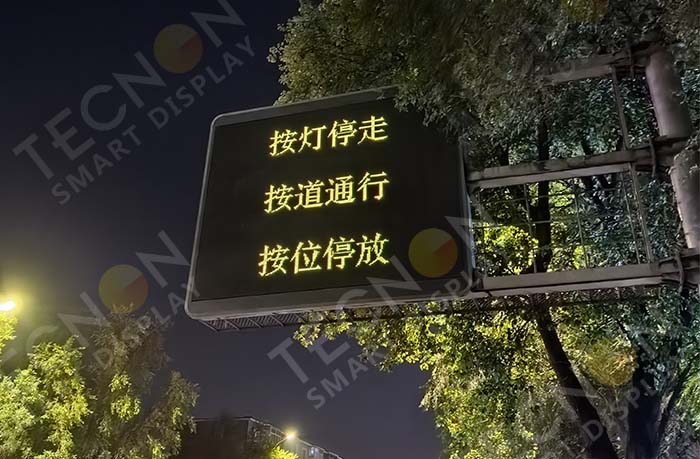
5G and IoT are crucial for smart city projects. LED displays now play a key role in presenting real-time public information.
Common applications include:
- emergency alerts
- road condition updates
- disaster warnings
- air quality displays
- smart pole screens integrated with sensors
These systems help city managers deliver accurate and timely information. When emergencies happen, the screens respond instantly, improving safety and public awareness.
More Stable Operation With Predictive Maintenance
IoT sensors help monitor temperature, humidity, voltage, brightness, and other conditions inside the display. This data allows predictive maintenance.
Instead of waiting for a malfunction, the system alerts technicians before a failure happens. This reduces downtime, extends product lifespan, and lowers maintenance costs.
For companies managing large LED display networks, predictive maintenance becomes a major advantage.
Immersive Experiences and New Applications
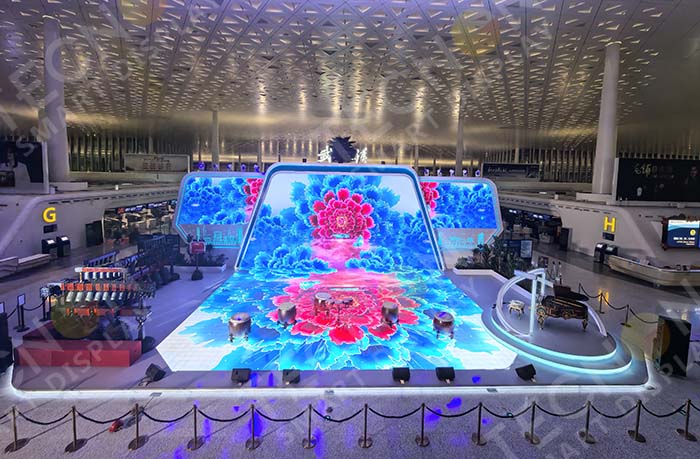
The combination of 5G and IoT unlocks creative possibilities. LED screens can now integrate with AR, interactive floor tiles, LED cubes, transparent displays, and multi-screen synchronization.
This opens new uses in:
- exhibitions
- sports stadiums
- brand showrooms
- digital art installations
- smart retail
These experiences attract more attention and deepen user engagement.
What This Means for the Future of the LED Display Industry
5G and IoT are pushing the LED Display Industry into a more connected, intelligent, and data-driven era. Screens will not only display content; they will communicate with the environment, respond to data, and support smart city ecosystems.
The future will include:
- fully automated content systems
- stronger cloud integration
- more energy-efficient screens
- interactive experiences powered by sensors
- wider use of AI in content delivery
Businesses that invest early will gain long-term advantages in efficiency, engagement, and cost control.