 Tecnon Smart Display Technology Shenzhen Co., Ltd.
 The HD LED screen for stage has become a core visual tool in modern live events. As concerts, exhibitions, corporate shows, and broadcast productions evolve, stage display technology continues to change fast. Today’s buyers no longer focus only on screen size. They pay more attention to image quality, system integration, and future scalability.
This article explores the latest industry trends and innovations that are shaping how HD LED screens are designed, produced, and used on stages worldwide. Many buyers first clarify overall selection logic and application needs in this stage LED screen buying overview before evaluating newer HD technologies.
The Shift Toward Higher Definition HD LED Screen for Stage
The HD LED screen for stage is moving toward higher resolution to meet growing demands from live audiences, cameras, and hybrid event formats.
This trend comes from several factors:
- More live-streamed and recorded events
- Higher audience expectations for visual quality
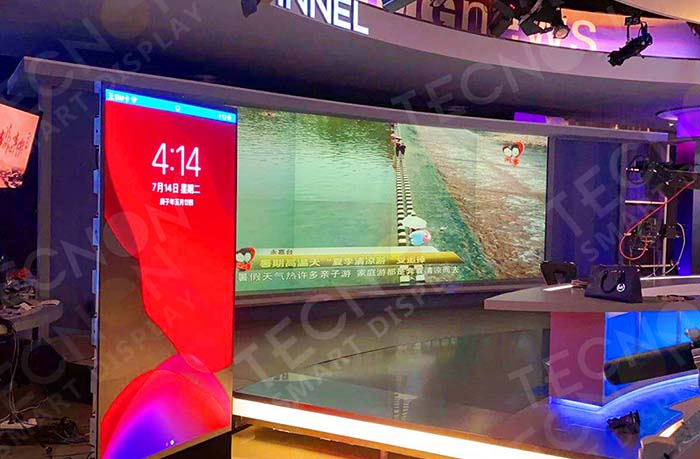
- Wider use of LED screens in TV studios and hybrid events
Instead of simply choosing larger screens, event planners now aim for clearer visuals with less pixel visibility, especially for front-row audiences and camera shots.
Smaller Pixel Pitch Becomes the New Standard
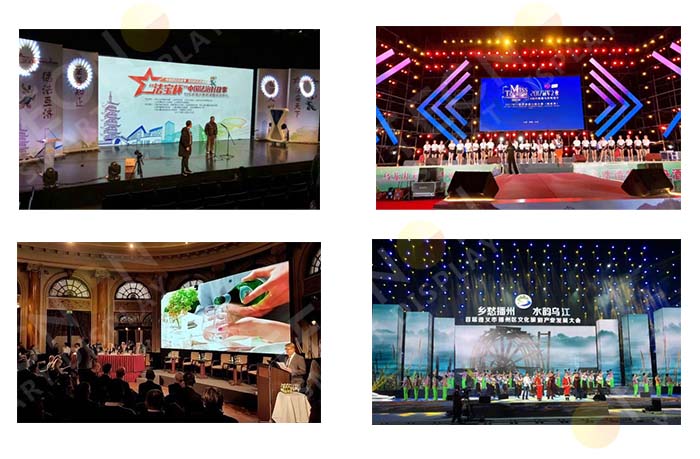
Smaller pixel pitch has become common in stage applications because it improves image clarity at closer viewing distances.
Key changes include:
- More stable LED chips at fine pitch
- Better manufacturing accuracy
- Improved consistency between modules
For stage use, this means LED screens can replace traditional projection in many scenarios, especially where ambient light control is difficult.
HDR and Color Performance Improvements
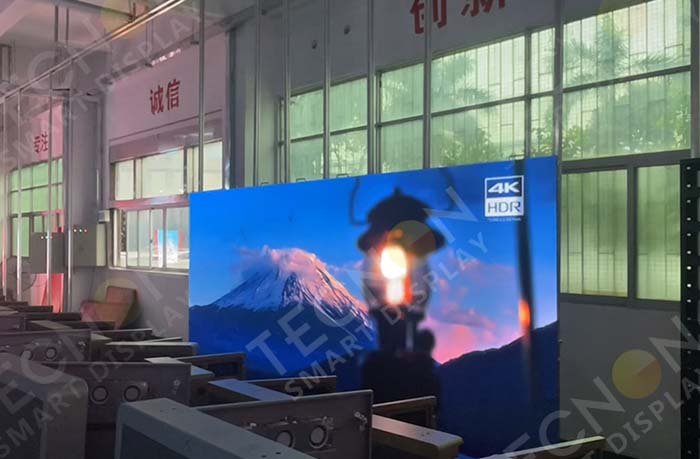
Color performance now plays a key role, as modern stage events require higher contrast, wider color range, and smoother gradients.
Newer HD LED screens for stage now focus on:
- Higher grayscale performance
- Wider color gamut
- Improved contrast ratios
These improvements help LED screens display smoother gradients and more natural colors, which is especially important for brand events and artistic performances.
Higher Refresh Rates for Broadcast and Live Streaming
Higher refresh rates help stage LED screens deliver stable images for cameras, live streaming, and professional broadcast environments.
A high refresh rate helps:
- Reduce flicker on camera
- Improve image stability during fast motion
- Support professional broadcast requirements
For stages used in concerts, esports, or live streaming, this trend makes HD LED screens more compatible with multi-camera setups and hybrid event formats. Trends like higher refresh rates and improved grayscale are closely related to the core performance details explained in this article on performance LED screen specifications.
Lightweight and Modular Cabinet Design Innovation
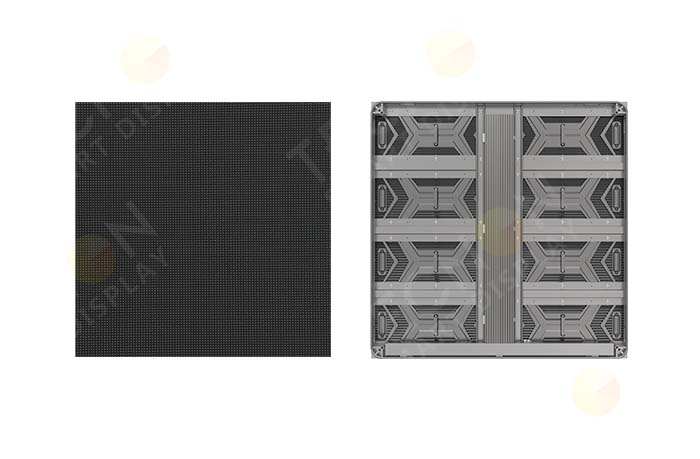
Lightweight and modular cabinet design reduces installation time while improving safety and flexibility for stage setups.
Manufacturers now focus on:
- Aluminum and composite materials
- Slimmer cabinet depth
- Faster locking systems
For stage applications, these innovations reduce installation time and labor pressure while increasing safety during rigging and stacking. Lighter cabinets and smarter systems also change how stage LED displays are installed and handled on site.
Flexible and Creative LED Screen Shapes
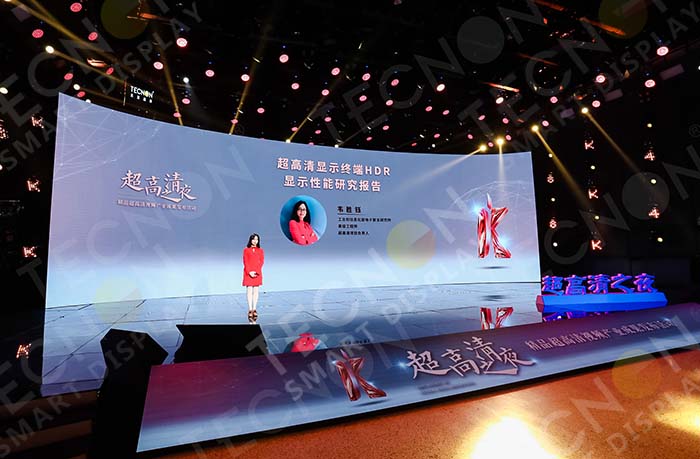
Flexible LED technology allows stage screens to move beyond flat layouts and support curved or custom visual designs.
Popular applications include:
- Curved stage backdrops
- Cylindrical or wave-shaped screens
- Multi-layer visual structures
This trend helps event designers create immersive experiences while keeping LED screens as a central visual element.
Smarter Control Systems and Content Management
Smarter control systems improve screen management by supporting remote monitoring, synchronization, and easier operation.
New developments include:
- Remote monitoring and diagnostics
- Smarter brightness adjustment
- Easier content synchronization
For large stage setups, smarter control systems reduce technical risk and help teams manage complex shows more efficiently.
Energy Efficiency and Sustainable Design
Sustainability is becoming an important topic in the LED display industry. An HD LED screen for stage now often includes energy-saving features.
These include:
- Lower power consumption per square meter
- Better heat management design
- Longer LED lifespan
For long-term users and rental companies, these innovations help reduce operating cost and support environmental goals.
Integration with Stage Lighting and Audio Systems
Modern stage production requires better coordination between visual, lighting, and audio systems.
Industry innovation now focuses on:
- Synchronization between LED screens and lighting effects
- Better compatibility with stage control protocols
- Unified show control systems
This integration allows HD LED screens to work as part of the full stage environment rather than as a standalone display.
The Role of HD LED Screens in Immersive Experiences
Immersive stage experiences are a major direction for future events. LED screens are no longer just visual backdrops.
They now help:
- Extend stage depth visually
- Create virtual environments
- Support interactive content
With higher resolution and better system performance, HD LED screens for stage play a key role in immersive storytelling.
Future Outlook for HD LED Screen for Stage Technology
Looking ahead, the industry will likely continue moving toward:
- Even finer pixel pitch
- More intelligent systems
- Greater design flexibility
For B2B buyers, understanding these trends helps align current projects with future development, avoiding short-term decisions that limit long-term value.
Conclusion: Innovation Is Redefining Stage Visual Standards
The HD LED screen for stage is evolving from a simple display tool into a smart, high-performance visual system. Industry trends show clear movement toward higher resolution, better color, smarter control, and more creative design freedom.
For event organizers, production companies, and system integrators, keeping up with these innovations is essential. It ensures stage visuals stay competitive, reliable, and aligned with modern audience expectations.