 Tecnon Smart Display Technology Shenzhen Co., Ltd.
 When planning a live event, budget control is just as important as visual impact. A full-color stage LED screen often represents one of the largest technical investments in a stage project. Understanding where the costs come from and how to allocate budget wisely helps event companies, rental houses, and system integrators avoid overspending while still delivering professional results.
Before estimating budgets, many buyers first review this stage LED screen buying guide to understand how specifications and usage scenarios affect total cost.
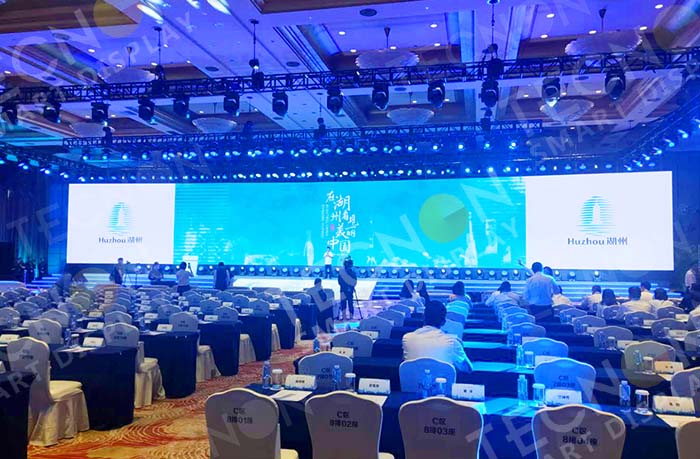
Key Cost Factors of a Full-Color Stage LED Screen
- Pixel pitch and display resolution
- Total screen size and layout design
- Cabinet material and structural strength
- Brightness and refresh rate requirements
- Installation method and labor cost
- Indoor or outdoor usage environment
Pixel Pitch and Resolution: Cost vs Viewing Distance
Pixel pitch is one of the biggest cost influencers. Smaller pixel pitch means higher resolution, but also higher cost.
- Fine pixel pitch suits close-viewing indoor stages and broadcast scenarios.
- Larger pixel pitch works better for outdoor stages and long viewing distances.
Choosing an overly small pixel pitch often leads to unnecessary cost increases. A well-matched pixel pitch delivers clear visuals while keeping the budget under control.
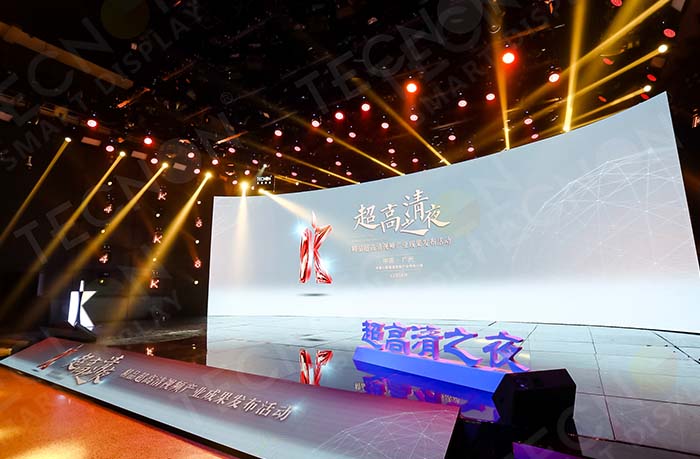
Screen Size and Configuration Planning
Screen size directly affects cost, but smarter configuration can reduce unnecessary spending.
Instead of covering the entire stage with one massive LED wall, many events use:
- Main screens with side extensions
- Creative shapes or segmented displays
- Combination of LED screen and stage lighting
A properly planned full-color stage LED screen layout balances visual impact with cost efficiency.
Cabinet Design and Material Cost
Cabinet structure affects both price and long-term value.
Common options include:
- Die-cast aluminum cabinets for lightweight and fast installation
- Steel or reinforced cabinets for outdoor stability
Lightweight cabinets often cost more upfront but reduce labor cost and installation time, especially for touring events. Over multiple projects, this can significantly lower total operational cost.
Rental vs Purchase: Budget Strategy Matters
One of the most common budget questions is whether to rent or purchase a full-color stage LED screen.
Rental Cost Considerations
- Suitable for short-term or one-off events
- No long-term storage or maintenance cost
- Higher cost per use
Purchase Cost Considerations
- Higher initial investment
- Lower cost per event over time
- Requires maintenance and storage planning
Cost planning also changes when comparing short-term events with long-term setups, especially when deciding between rental and fixed stage LED screens.

Installation and Labor Costs
Installation is often overlooked during budgeting.
Factors that influence installation cost:
- Screen height and mounting method
- Truss or ground support structure
- Local labor rates
- Setup and dismantling time
Installation methods can add hidden costs, especially when rigging or stacking is involved, which is why many teams look closely at how stage LED displays are set up on site.
Power Consumption and Operating Cost
A full-color stage LED screen consumes power based on brightness level and screen size.
Higher brightness:
- Increases power usage
- Raises heat output
- May require additional cooling solutions
Balancing brightness with actual venue requirements avoids unnecessary operating expenses, especially for long events or tours. Budget decisions often connect closely with performance details like refresh rate and brightness, which are discussed further in this article on performance LED screen specifications.
Maintenance, Spare Parts, and Long-Term Budgeting
Long-term cost goes beyond the purchase price.
Important maintenance considerations:
- Spare LED modules
- Power supply replacement
- Control system updates
Screens designed with front or rear service access reduce maintenance time and cost. This is especially important for rental fleets that operate frequently.
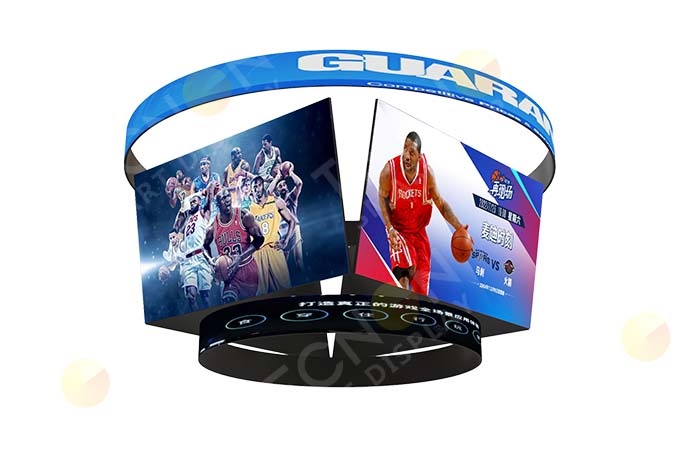
Outdoor vs Indoor Cost Differences
Outdoor full-color stage LED screens generally cost more due to:
- Higher brightness requirements
- Weatherproof cabinet design
- Reinforced structures
Indoor and outdoor stage screens differ a lot in brightness, structure, and overall cost expectations. Indoor screens focus more on resolution and color accuracy. Matching the screen type to the event environment prevents unnecessary overspending.
Budget Planning Tips for B2B Buyers
To manage budget effectively:
- Define viewing distance and audience size first
- Match pixel pitch to real needs
- Consider total cost of ownership, not just unit price
- Work with suppliers who understand event scenarios
Smart planning delivers better ROI and avoids last-minute budget overruns.
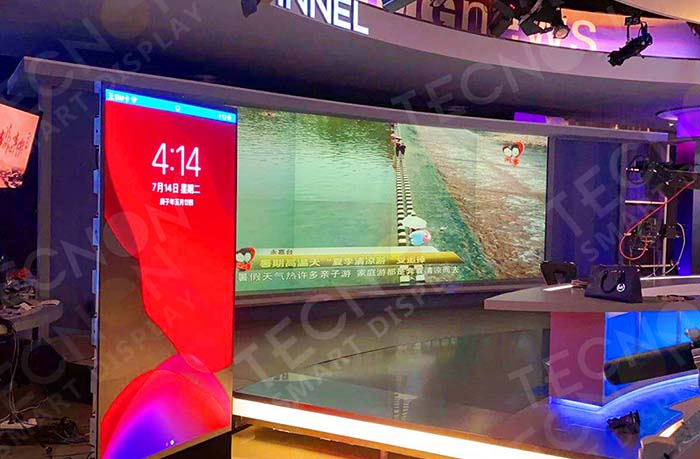
Common Cost Mistakes to Avoid
Some common budgeting errors include:
- Choosing the highest specification without clear need
- Ignoring installation and labor costs
- Underestimating maintenance expenses
- Buying based only on unit price
Avoiding these mistakes improves financial efficiency and project reliability.
Conclusion: Balancing Cost and Performance
A full-color stage LED screen is a powerful visual tool, but it requires careful budget planning. Cost depends on technical specifications, installation method, and long-term usage strategy. Experienced LED display manufacturers usually help clients balance budget and performance by recommending configurations based on real event needs.