 Tecnon Smart Display Technology Shenzhen Co., Ltd.
 Introduction: A Better Way to Think About LED Displays
Imagine needing a high-quality LED video wall, but dreading the complicated installation, the dozens of separate parts, and the days of technical setup. That’s the exact problem the all-in-one LED display solves.
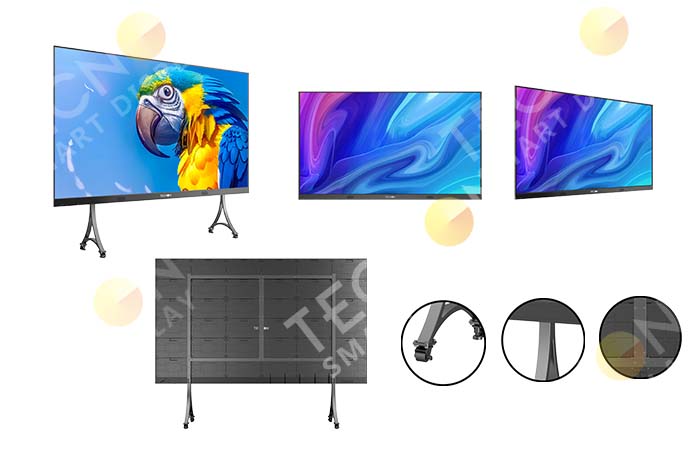
Think of it as the difference between building a computer from scratch versus buying a sleek, powerful laptop. An all-in-one LED display comes as a complete, ready-to-use system. Everything you need is already built into a single, streamlined cabinet: the LED panels, power supply, receiving cards, and often the processor. The result? You get a stunning, large-format display that you can set up faster and rely on more easily than traditional options.
What Is an All-in-One LED Display?
Simply put, an all-in-one is the ultimate plug-and-play solution for large-scale visuals. The core of an all-in-one lies in a fundamental principle: integration.
Instead of handling hundreds of loose modules, cables, and separate components, you receive complete, solid cabinets. The brains and power behind the display are built right in, so setup is mostly about mounting and connecting a few simple cables.
Traditional Modular vs. All-in-One LED: Understanding the Difference
Let’s compare how a classic modular LED display stacks up against a modern all-in-one system.
A traditional modular LED display requires a full assembly process. You start with individual modules, power supplies, and cables, and must build a supporting frame. Installation is technical and time-consuming, often taking days or weeks. It usually requires significant space behind the wall for service access. While the upfront hardware cost might be lower, the total installed cost rises with added labor and engineering.
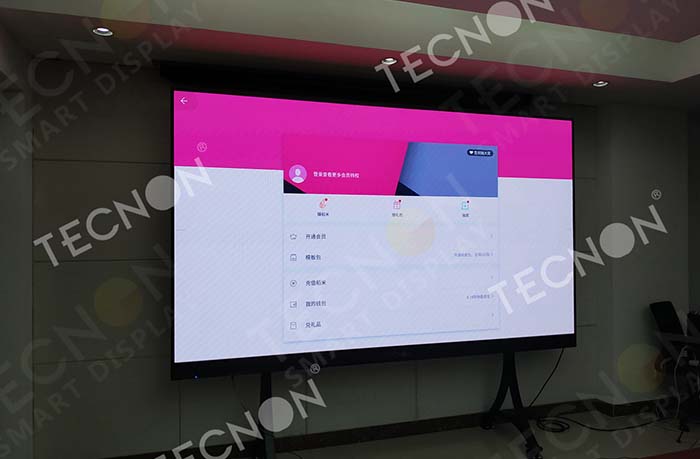
In contrast, an integrated LED video wall is designed for efficiency. It arrives as complete, pre-assembled cabinets. Installation is remarkably simple—often just mounting the cabinets and making a few connections—getting you from unboxing to a working display in hours or a couple of days. For example, this type of LED screen is very suitable for some conference rooms or school classrooms. In this way, it can be used immediately simply by plugging it in, and with rollers, it can be moved around easily.
Why Choose an All-in-One LED display? 5 Compelling Advantages
1. Drastically Simplified Installation & Faster Deployment
The most immediate advantage is dramatically reduced installation complexity. For example, there’s no need to construct a structural frame or manage hundreds of tiny modules and connections. Technicians simply mount the pre-assembled cabinets, connect power and signal cables, and perform calibration. This can reduce on-site installation time by up to 70%, meaning your display is operational faster, minimizing business disruption.
2. Superior Reliability & Stability
By integrating and testing the entire system at the factory, manufacturers eliminate the variables introduced by on-site assembly. Components are matched and secured to withstand vibration and thermal cycling. The reduction in external cables and connectors—common failure points in modular systems—directly translates to higher mean time between failures (MTBF) and greater system uptime.
3. Professional, Seamless Aesthetics
All-in-one LED display are designed for a clean, finished appearance. With precise machining and often front-serviceable designs without needing rear access corridors.
4. Lower Total Cost of Ownership
While the initial unit price may be higher, the true cost savings are realized over the display’s lifetime. Reduced installation labor, fewer on-site technical hours, minimal maintenance due to higher reliability, and easy front-access servicing all contribute to a significantly lower TCO compared to modular systems.
5. Future-Proof Scalability & Serviceability
Need to replace a section? With an all-in-one system, you simply add or swap cabinets. Their modular yet integrated design ensures consistency. Front-serviceable models allow maintenance without moving the entire display, making upgrades and repairs straightforward and cost-effective.
Where Do All-in-One LED Display Work Best?
These systems are versatile, but they truly excel in places where simplicity, reliability, and a polished look are key.
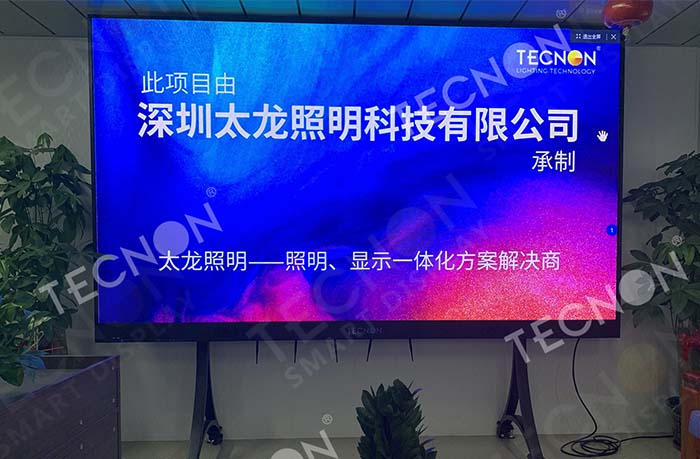
- Modern Offices: They are the ideal conference room LED display, enabling quick setup and a clean look for impactful presentations and video calls.
- Control & Command Centers: For 24/7 operations, their reliability and bright, clear visuals make them a top choice for control room video walls.
- Retail & Public Spaces: Create eye-catching retail digital signage or stunning lobby displays that are both beautiful and dependable.
- Broadcast & Creative Studios: Deliver the color accuracy and performance needed for live production and creative environments.
Your Checklist for Choosing the Right Model
Here’s what to consider when selecting your complete LED screen system:
- Pixel Pitch: Choose a finer pitch (like P1.2 or P1.8) for closer viewing, such as in meeting rooms.
- Brightness: Match to ambient light. 600-1,200 nits for controlled lighting; 1,500+ nits for high ambient light (lobbies, near windows).
- Service Access: Decide if you need front serviceable LED displays for flexible mounting.
- Image Quality: Look for a high refresh rate to ensure smooth video without flicker.
Find Your Perfect All-in-One LED Solution
Choosing an all-in-one LED display is about investing in a seamless solution, not just buying hardware. It’s the smart choice for achieving outstanding visuals with unparalleled ease.
We specialize in helping businesses find the right integrated LED display for their needs. Let’s connect and discuss your project.
Contact us today for a free consultation or to request a custom quote. See how an all-in-one solution can work for you.