
Transforming Glass into Digital Canvas: The Rise of Flexible Visuals
Modern architectural spaces are shifting away from rigid, intrusive displays toward media that bends, curves, and breathes with the building itself. In high-end retail flagships, luxury hotel atriums, and avant-garde transit hubs, the design challenge has always been how to merge high-resolution digital storytelling with architectural transparency. Traditional LED panels create heavy visual blocks that ruin natural light and clash with curved lines, while standard projection lacks the brightness required for daytime environments.
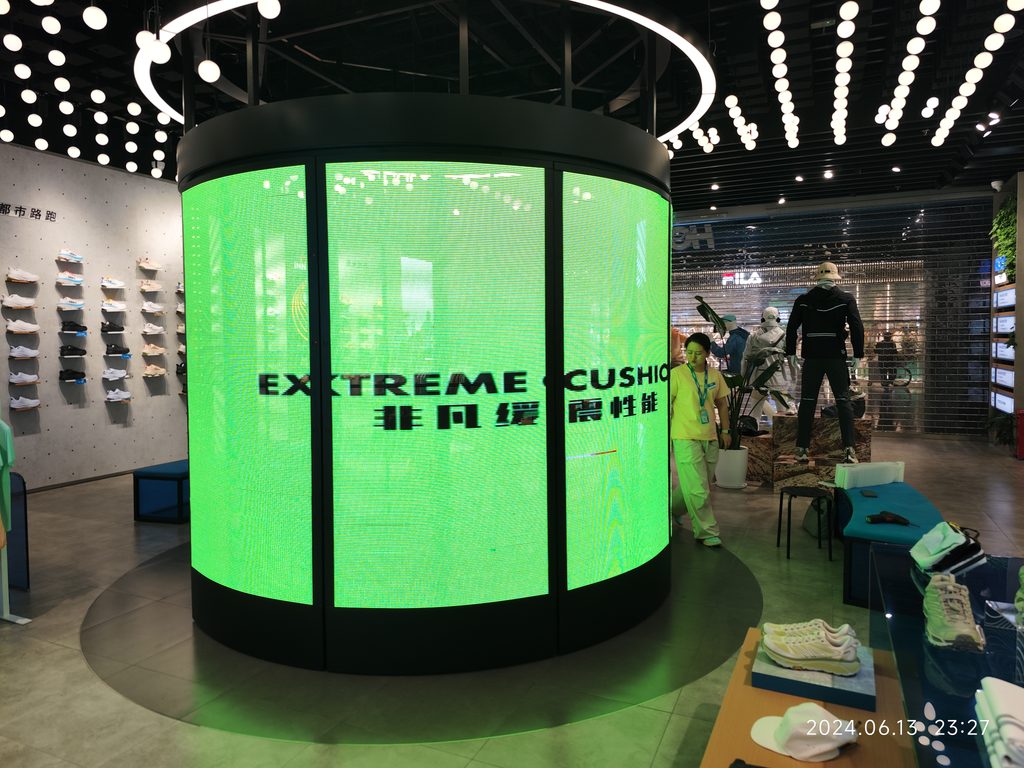
The introduction of the Tencon GX-2.5 Flexible-Holographic-Screen solves this exact paradox by combining structural pliability with elite optical clarity. Featuring a fine 2.5mm pixel pitch optimized for mid-to-long-range viewing, this display delivers striking contrast and vibrant motion graphics while maintaining an exceptionally high transparency rate. Because the panel architecture is engineered to bend, it conforms effortlessly to curved glass facades, winding interior balustrades, and cylindrical pillars—surfaces previously untouched by digital signage.
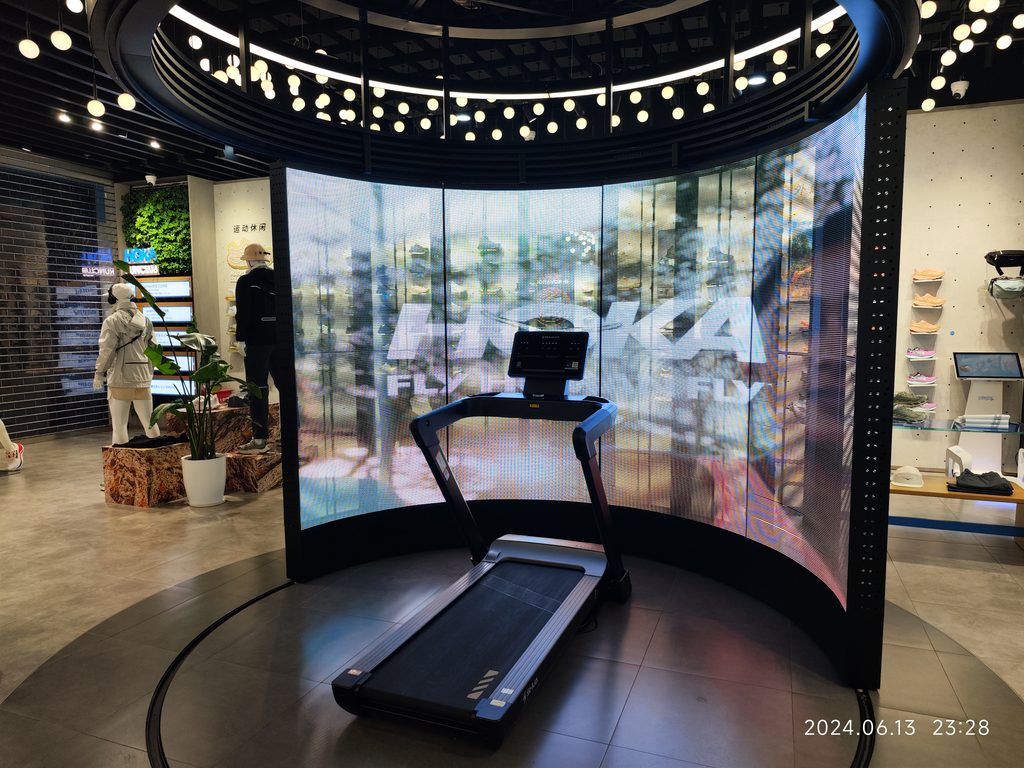
When inactive, the display remains virtually imperceptible, allowing natural sunlight to flood interior spaces without obstruction. Once illuminated, it projects immersive, floating holographic animations that captivate foot traffic from every angle. High-end brands and interior architects leverage this seamless integration to turn everyday storefront glass and structural curves into active, high-impact experiential zones. By bridging architectural freedom with cutting-edge visual technology, this solution redefines how commercial spaces communicate, setting a new benchmark for the future of spatial design.